what are most important lipids carbohydrate or protein Macromolecules form monomers acids carbohydrates proteins monomer fatty phospholipids polysaccharides
Lipids are an essential part of our diet, providing us with energy and important nutrients. They are a diverse group of molecules that play a vital role in our body’s functions. Lipids can be found in various food sources and are an integral part of a healthy diet.
Lipids
 Lipids are organic compounds that are insoluble in water but soluble in nonpolar solvents such as alcohol and ether. They consist of carbon, hydrogen, and oxygen atoms and are classified into several categories, including triglycerides, phospholipids, and steroids.
Triglycerides
Triglycerides are the most common form of lipids found in our body and in food sources. They consist of a glycerol molecule and three fatty acid chains. Triglycerides serve as a major storage form of energy, providing us with a long-term source of fuel.
Phospholipids
Phospholipids are a vital component of cell membranes and play a crucial role in maintaining their structure and function. They have a similar structure to triglycerides but contain a phosphate group instead of one fatty acid chain. Phospholipids ensure the integrity and fluidity of cell membranes.
Steroids
Steroids are lipids that have a unique structure comprising four fused carbon rings. They have diverse functions in the body, including regulating metabolism, influencing sex characteristics, and serving as precursors for various hormones and vitamins.
Food and Nutrition
 Understanding the role of lipids in our diet is crucial for maintaining good overall health. While they provide us with energy, excess consumption of unhealthy fats can lead to weight gain and various health issues. It is important to include a balanced amount of different types of fats in our diet.
Healthy sources of lipids include avocados, nuts, seeds, olive oil, and fatty fish, such as salmon and sardines. These foods contain monounsaturated and polyunsaturated fats that are beneficial for our health, helping to reduce the risk of heart disease and inflammation.
On the other hand, unhealthy sources of lipids include saturated fats and trans fats. These fats are commonly found in processed foods, fried foods, and high-fat dairy products. Consuming an excess of saturated and trans fats can raise cholesterol levels and increase the risk of heart disease and obesity.
It is recommended to follow a balanced diet that includes a moderate amount of healthy fats while limiting the intake of unhealthy fats. This can be achieved by incorporating more plant-based fats, such as avocados and nuts, into our meals. Additionally, choosing lean sources of protein and reducing the consumption of processed foods can also contribute to a healthy lipid profile.
In conclusion, lipids are an essential part of our diet, providing us with energy and important nutrients. They come in various forms, including triglycerides, phospholipids, and steroids, each with its own functions in the body. Understanding the sources and types of lipids can help us make informed choices about our diet and maintain good overall health.
If you are looking for How Do Macromolecules Form? — Overview & Process - Expii you’ve visit to the right place. We have 5 Images about How Do Macromolecules Form? — Overview & Process - Expii like How Do Macromolecules Form? — Overview & Process - Expii, Lipids and also How Do Macromolecules Form? — Overview & Process - Expii. Read more:
How Do Macromolecules Form? — Overview & Process - Expii
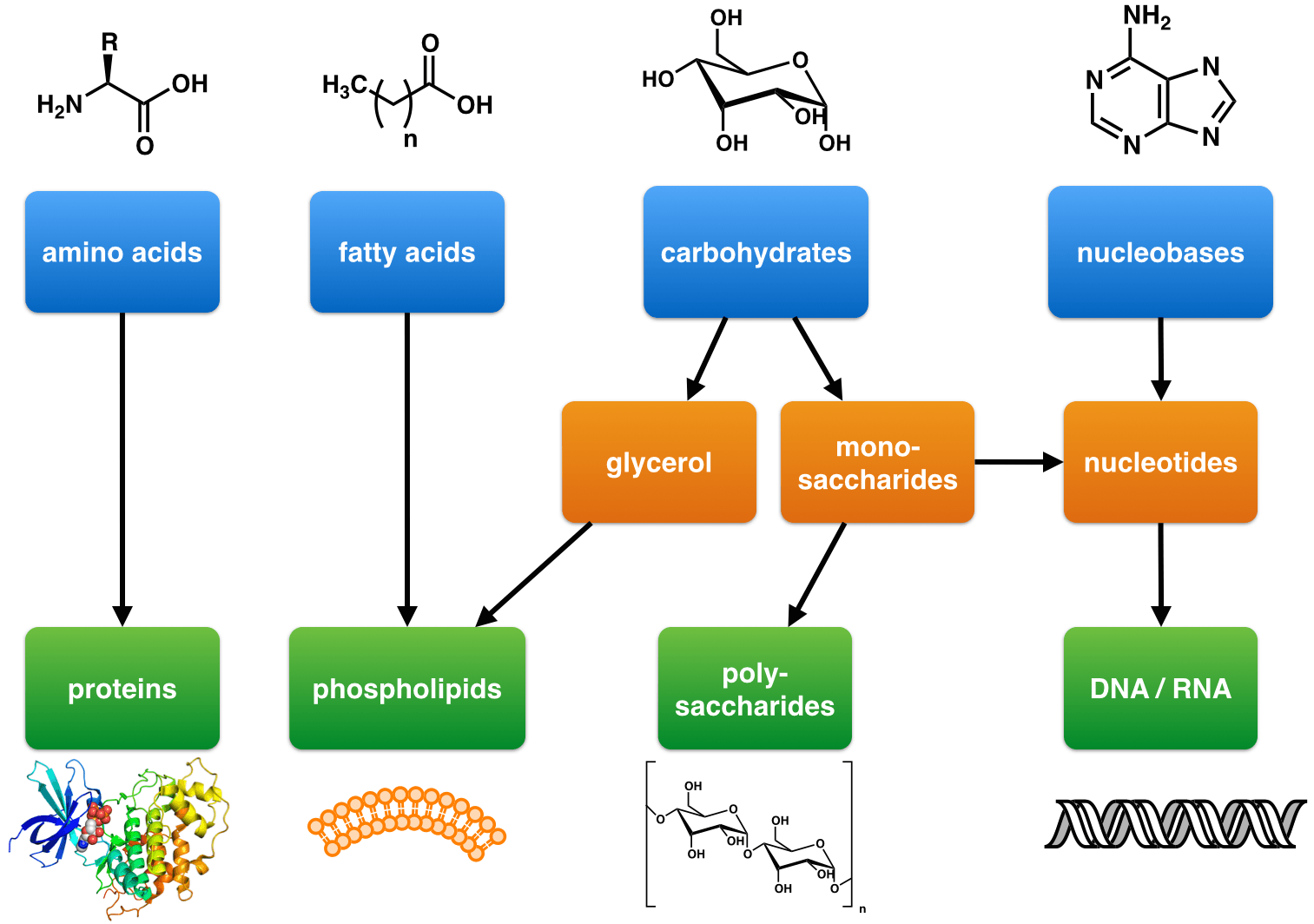 www.expii.commacromolecules form monomers acids carbohydrates proteins monomer fatty phospholipids polysaccharides
CARBOHYDRATE & LIPIDS - [PPTX Powerpoint]
![CARBOHYDRATE & LIPIDS - [PPTX Powerpoint]](https://static.fdocuments.in/img/1200x630/reader017/slide/2019120610/54b670644a79596a498b460c/aimgd.png?t=1595004100) fdocuments.inlipids carbohydrate
fdocuments.inlipids carbohydrate
Carbohydrates, Lipids, And Proteins - BIOLOGY BASICS FOR HIGH SCHOOL
 www.youtube.comlipids carbohydrates proteins biology
Lipids
www.broadlearnings.comlipids phospholipids glycerides sterols waxes
B.A.T » Food And Nutrition
bestacademictutors.comfood nutrition intake protein provide
Lipids carbohydrates proteins biology. How do macromolecules form? — overview & process. Lipids phospholipids glycerides sterols waxes